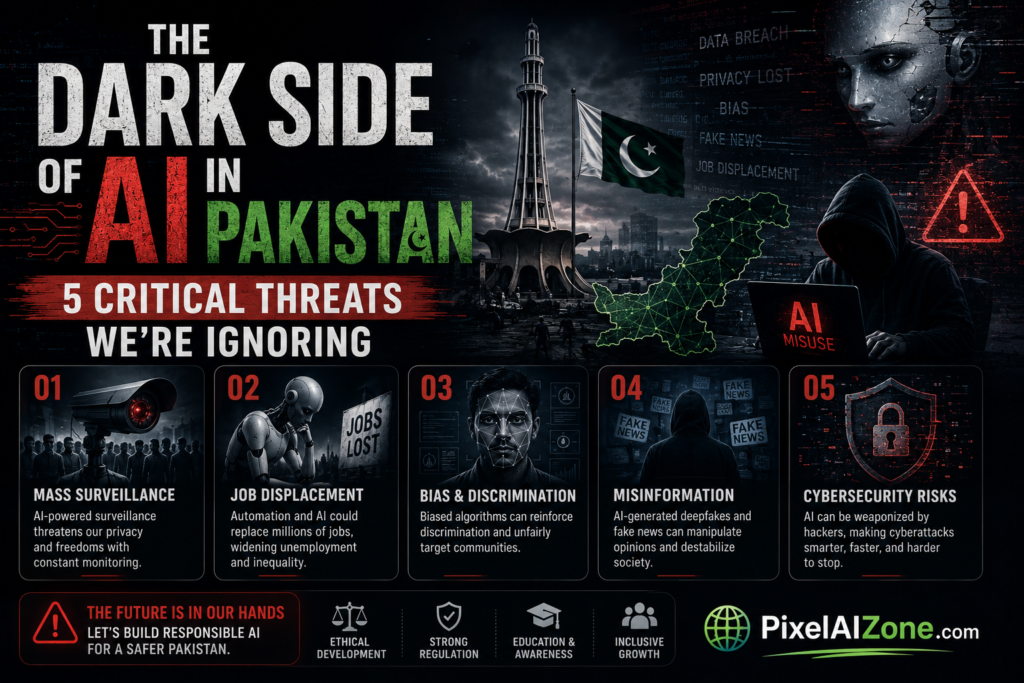
From deepfake blackmail to data colonization, here are the AI threats Pakistan is not talking about.
Let me show you something.
The dark side of AI in Pakistan is something we can no longer afford to ignore.
Pakistan is 250 million strong. Young, wired, and already in the data stream . We’re adopting AI faster than we’re regulating it. Our National AI Policy 2025 promises to train one million professionals by 2030 — but says little about protecting citizens from the harms of this technology .
This isn’t fear-mongering. It’s a wake-up call.
From algorithmic bias that denies loans to South Punjab farmers to deepfakes that destroy women’s reputations, the dark side of AI is already here. We just aren’t looking closely enough.
This guide explores the dark side of AI in Pakistan and the 5 threats we’re not talking about.
The dark side of AI in Pakistan is a conversation we can no longer postpone.
Understanding the Dark Side of AI in Pakistan
Table of Contents
- Threat 1: Data Colonialism — When AI Becomes Extraction
- Threat 2: Deepfakes and Digital Violence
- Threat 3: AI-Generated Disinformation in Crises
- Threat 4: Job Displacement and the White-Collar Reckoning
- Threat 5: Weaponization of AI and Cyber Insecurity
- What Needs to Change: 3 Foundational Steps
- FAQ
Threat 1: Data Colonialism — When AI Becomes Extraction
Consider a farmer in South Punjab applying for a loan through a banking app. He has no credit history, no employment record, no documented collateral. What he does have is 30 years of ploughing the same piece of land, paying his debts in cash, and raising a family on seasonal income .
Most Western-trained AI models do not understand his reality. They see absence where there is, in fact, a life that qualifies. Rejection is swift. Second chances, rare .
This is algorithmic bias.
The problem runs deeper: Every time a Pakistani institution integrates a foreign AI system, it exports sensitive data — financial records, health data, behavioral patterns — into jurisdictions beyond its control. With no enforceable data protection laws, this isn’t integration. It’s extraction. A new form of colonialism where data is gold, its suppliers little more than a banana republic .
Pakistan’s draft Personal Data Protection Bill, modelled on Europe’s GDPR, remains unimplemented years later. The National AI Policy references ethical principles but fails to define what constitutes “personal” or “sensitive” data, and provides no redress mechanisms against AI abuse .
The India Factor
Meanwhile, India’s Digital India Foundation (DIF) is actively opposing Pakistan’s AI Technology Centre’s inclusion in the AI Alliance Network (AIANET), citing security risks. DIF argues Pakistan’s AI sector lacks accountability and could weaponize AI .
Pakistan’s AI trajectory is heavily influenced by military-led initiatives, including the Pakistan Air Force’s Centre of Artificial Intelligence and Computing (CENTAIC), which prioritizes defence applications over civilian innovation . This gives Pakistan a dual-use AI capability that raises regional concerns.
China’s Digital Footprint
Pakistan’s growing reliance on China’s surveillance architecture presents another sovereignty concern. CPEC has entered a new phase — CPEC 2.0 — prioritizing AI, cloud computing, and surveillance technologies. Chinese firms are supplying hardware, software, and cloud services at subsidized rates, creating long-term technological dependence .
The warning: This digital dependence could compromise Pakistan’s sovereignty in a geopolitical crisis, potentially dictating “who holds the encryption keys to the state’s digital nervous system” .
This is a key example of the dark side of AI in Pakistan.
Threat 2: Deepfakes and Digital Violence
Deepfakes are among the most dangerous by-products of AI. According to industry estimates, 96% of them are pornographic, directly targeting women and young girls .
Real Victims, Real Consequences
In Pakistan, where women’s reputations are fragile currency, the damage goes beyond the digital realm. It can lead to social ostracism, professional ruin, and even physical danger .
A young Pakistani content creator became a victim when her Instagram photos were altered to create fake explicit images. The doctored visuals spread rapidly online, leading to public shaming and harassment. Despite being the victim, she faced severe backlash and character attacks .
A Pakistani woman submitted her photo to Google’s Gemini AI for a viral “Saree Portrait” trend. She received a generated image showing a mole on her arm — one that existed in real life but wasn’t visible in the original photo. This suggests AI can infer private details from patterns we never consented to share .
The law is struggling to keep up. As of October 2025, Pakistan lacks any specific legal framework to regulate AI or criminalize deepfake creation. FIRs have been registered under outdated laws like PECA 2016 and the Pakistan Penal Code — none of which specifically address AI-related offences .
A Step Forward: Punjab’s New Law
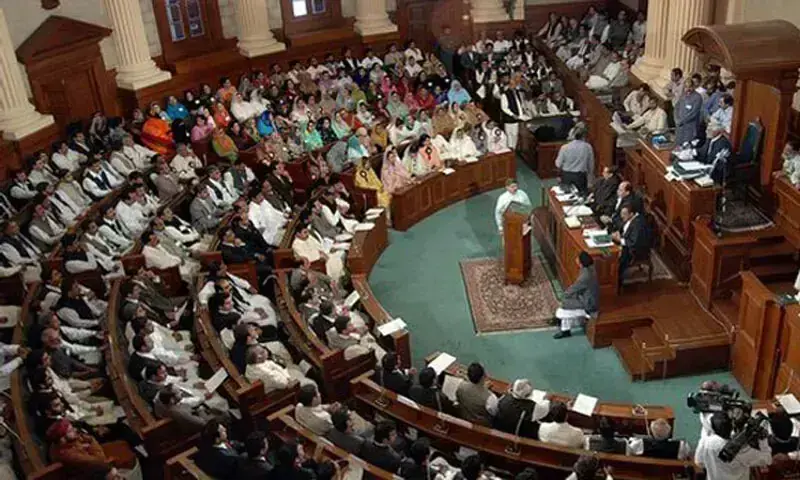
In June 2026, the Punjab government prepared the “Punjab Performers Digital Identity and Artificial Intelligence Protection Act, 2026” — a first-of-its-kind initiative in Pakistan proposing strict penalties, including up to three years’ imprisonment, for unauthorized use of artists’ voices, faces, and digital identities .
The draft law recognizes an artist’s digital identity as legally protected property and proposes a Digital Rights Registry for performers .
But this is only Punjab. A comprehensive national framework is still needed.
Deepfakes represent another dimension of the dark side of AI in Pakistan.
Threat 3: AI-Generated Disinformation in Crises
When disaster strikes, AI lies spread faster than help.
During the 2025 floods in Pakistan, which affected an estimated 4.2 million people in Punjab, a parallel crisis emerged online: AI-generated disinformation .
Fake Narratives, Real Damage
Viral TikTok visuals portrayed India’s release of dam water into overflowing rivers as a deliberate act of hostility — a calculated tactic of war. This framing fuels existing India-Pakistan tensions and diverts attention from domestic governance failures in flood management .
AI-generated “woman-in-crisis” content exploits natural disasters. TikTok and Instagram are rife with hyper-sexualized depictions of women in flood settings, shifting focus from the floods to women’s bodies — setting a dangerous precedent in a context where women already face heightened risks of gender-based violence in relief camps .
AI-generated clips have even recreated real tragedies, such as the Swat river drowning incident in June 2025, fabricating visuals and overlaying screaming voices of victims. This distorts the memory of a real disaster and retraumatizes affected communities .
Platform Accountability Fails
While TikTok has provided some flood safety guides, platforms have failed to adequately address the scale of AI-generated misinformation. They do not cater to regional languages or reflect Pakistan’s diverse media landscape. In a country where 40% of the population remains illiterate, distinguishing AI-generated disinformation from authentic news is becoming increasingly difficult .
The International Dimension
At the United Nations, Pakistan has pushed for UN Charter oversight of AI, warning that “unregulated and irresponsible use of AI enables disinformation campaigns, offensive cyber operations, and development of new types of armaments” .
Pakistan’s Defence Minister Khawaja Asif told the UN Security Council: “AI must not become a tool of coercion, or technological monopoly” .
AI-generated disinformation is a growing part of the dark side of AI in Pakistan.
Threat 4: Job Displacement and the White-Collar Reckoning
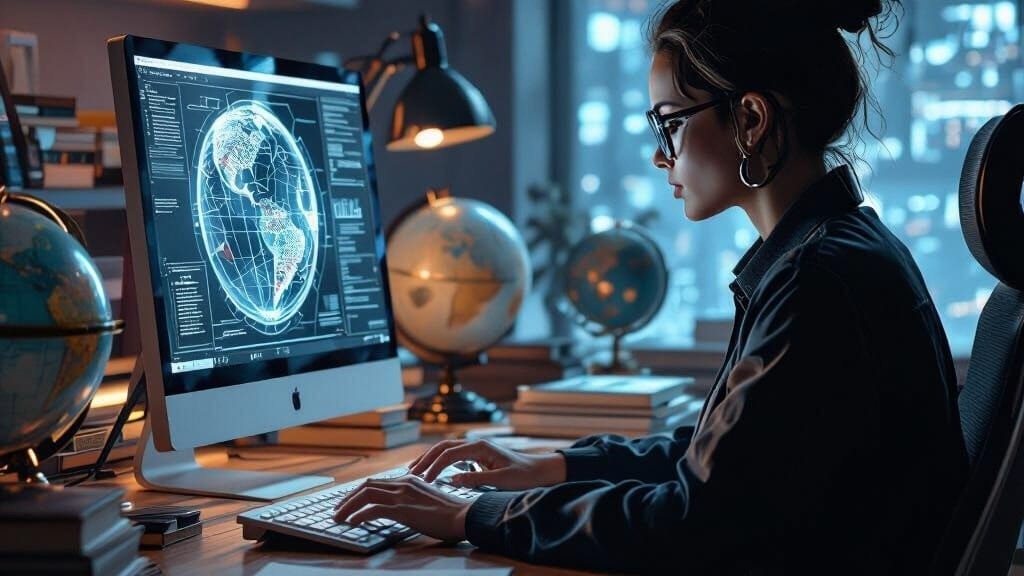
Pakistan’s white-collar class should not feel too comfortable.
When Mustafa Suleyman warned that many white-collar tasks could be automated within the next 12 to 18 months, it sounded dramatic. But it did not sound impossible .
The Math Behind the Risk
A study by the Pakistan Institute of Development Economics (PIDE) notes ambitious government targets — training one million professionals and 10,000 trainers by 2027. But targets don’t save jobs. Training does .
The danger: AI can now do the work of five untrained workers. A young graduate using AI agents may outperform a senior employee who still depends on old methods .
The risk isn’t that every office worker disappears overnight. The risk is that one AI-trained worker starts doing the work of five untrained workers. That’s how disruption happens: slowly at first, then suddenly .
What Pakistan Must Do
Pakistan cannot afford to train people only for yesterday’s AI. The real need is professional AI education by industry:
| Professional | What They Need to Learn |
|---|---|
| Doctor | AI for healthcare workflows |
| Lawyer | AI for legal research and drafting |
| Journalist | AI for news monitoring and fact-checking |
| Teacher | AI for lesson planning |
| Business Owner | AI for operations and customer service |
This is where implementation-focused training becomes critical. Pakistan needs practitioners who understand real-world application, not just certificate holders who know the vocabulary of AI .
Job displacement is an economic aspect of the dark side of AI in Pakistan.
Threat 5: Weaponization of AI and Cyber Insecurity
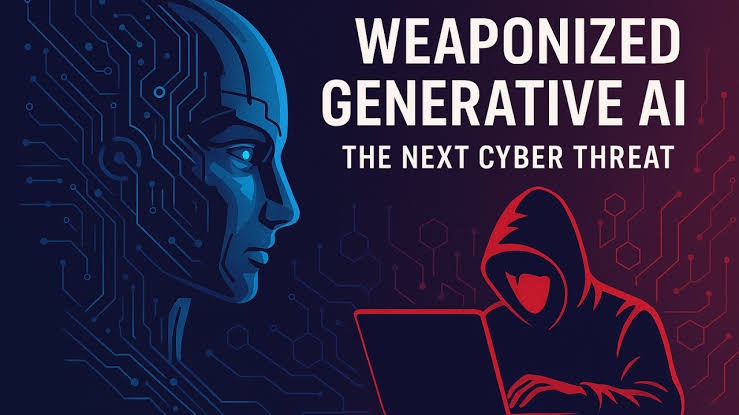
Pakistan’s banking sector is under siege.
In May 2026, the Federal Minister for Finance convened an urgent virtual meeting with commercial banks, directing regulators to strengthen cyber defences as AI tools give criminal actors new and more dangerous capabilities to attack the banking system .
The Threat Landscape
AI-enabled cyber tools now allow hostile actors to identify system vulnerabilities, develop targeted exploits, and execute multi-stage attacks at speeds traditional detection systems struggle to match .
Digital payment platforms are particularly exposed, as seen in cyberattacks targeting systems in Japan and India — examples that carry direct relevance for Pakistan as its own digital payment infrastructure expands .
The finance minister directed the State Bank of Pakistan to conduct a comprehensive review of existing cybersecurity frameworks, identify gaps in current protections, and assess institutional readiness .
Pakistan’s International Position
Pakistan has faced opposition from India’s Digital India Foundation over its bid to join the AI Alliance Network (AIANET), with concerns that AITeC’s labs could be redirected toward offensive cyber operations, cross-border attacks, and autonomous targeting systems .
Pakistan remains on the FATF grey list due to ongoing failures in curbing terror financing. In such an environment, AI labs could be exploited to automate illicit finance channels, including crypto-driven fundraising for extremist networks .
The Autonomous Weapons Concern
At the UN Security Council, Pakistan’s Defence Minister acknowledged that autonomous munitions and high-speed dual-capable cruise missiles “were used by one nuclear-armed State against another during a military exchange” in the subcontinent — a development that manifests the dangers AI can pose, lowering the threshold for use of force and compressing decision time .
The minister called for a prohibition on AI applications without meaningful human control .
Cyber insecurity is a national security threat in the dark side of AI in Pakistan.
What Needs to Change: 3 Foundational Steps
According to technology founders and ethical AI strategists, the window for shaping Pakistan’s AI trajectory cannot wait till 2030. It must begin now .
1. Establish Data Sovereignty
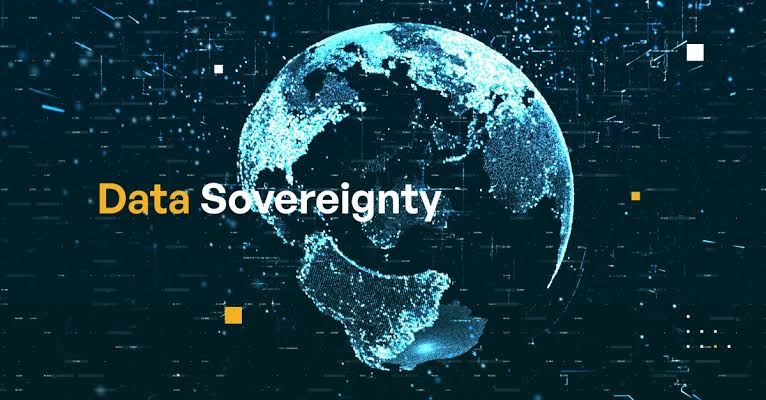
Clear rules that govern where Pakistani data is stored, processed, and shared — particularly in model training and deployment. High-stakes sectors such as finance, healthcare, and public services require baseline testing for bias, safety, and contextual relevance .
2. Establish Liability
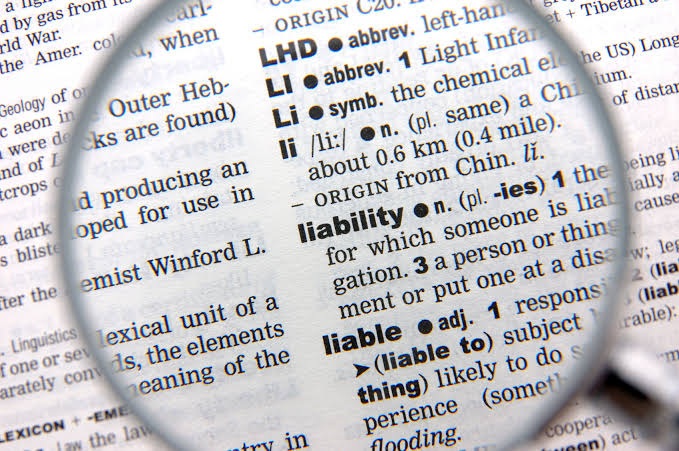
Define a clear chain of responsibility before AI deployments. In case of an incident, all parties should know where the buck stops .
3. Invest in Public Awareness
Citizens need to understand how these powerful systems can be misused and what legal remedies are available .
Why This Matters Now
Pakistan needs a comprehensive AI law aligned with global best practices — a law that categorizes AI systems by risk, requires audits and transparency, and is backed by a strong AI-inclusive Data Protection Act .
Pakistan’s National AI Policy 2025 presents an ambitious vision, but it has largely sidestepped the risks: algorithmic bias, data extraction, and lack of accountability . The Digital Rights Foundation emphasizes that any initiative for extensive data sharing should be based on a rights-driven governance structure that ensures user consent, transparency, and responsibility .
FAQ
Q: Is AI really a threat to Pakistan?
A: Yes — but not in the way most people think. The threats are not robots taking over. They are algorithmic bias, data extraction, deepfake abuse, disinformation, job displacement, and cyber insecurity.
Q: What is data colonialism?
A: When Pakistani institutions integrate foreign AI systems, they export sensitive data to jurisdictions beyond Pakistan’s control. With no enforceable data protection laws, this is not integration — it’s extraction .
Q: How common are deepfakes in Pakistan?
A: Deepfakes are a growing threat. 96% of deepfakes are pornographic, targeting women and young girls. Pakistan lacks specific laws to criminalize their creation and dissemination .
Q: Is the government doing anything about AI risks?
A: Punjab has introduced a draft law criminalizing unauthorized AI deepfakes and voice cloning of artists . Pakistan has also pushed for UN oversight of AI . However, a comprehensive national framework is still missing.
Q: Will AI take my job?
A: AI may not replace you completely — but an AI-trained worker might replace you. The risk is that one person using AI agents can do the work of five untrained workers .
Q: What is the dark side of AI in Pakistan?
A: The dark side of AI in Pakistan includes data colonialism, deepfakes, disinformation, job loss, and cyber threats.
Final Thoughts
Pakistan is at a crossroads. The choice is ours: to enter the next phase of humanity as a nation of sovereigns or as a colony of slaves. Let history not repeat itself .
The technologies are advancing faster than our institutions can respond. Without guardrails, scale will only multiply risk, not responsible innovation .
What’s clear:
- AI is already affecting Pakistan’s banking, agriculture, media, and security
- The harms — bias, disinformation, deepfakes, job displacement — are not hypothetical
- The window to shape AI governance is closing fast
Pakistan’s 250 million people are young, wired, and already in the data stream. Whether that data empowers or exploits them depends on the choices we make today .
Understanding the dark side of AI in Pakistan is essential for building a safer digital future.
Related Posts on Pixelaizone
- “Pakistan’s $1 Billion AI Investment 2026: What It Means for You (Game-Changing Opportunities)”
- “AI-Powered Finance in 2026: How Pakistani Businesses Are Transforming Banking (Revolutionary Changes)”
- “AI in Climate Change 2026: Powerful Strategies for Disaster Management in Pakistan”
- “AI Agents in 2026: The Ultimate Guide to How Autonomous Systems Are Changing Work”
- “AI in Pakistan Education 2026: A Complete Guide to the Future of Learning (Amazing Transformation)”
- Hostinger Review 2026: Why This is the Best Hosting for Small Businesses & Beginners
- The Future of Work in 2026: How AI Is Reshaping Jobs, Skills, and Careers
- 2026 AI Trends for Small Businesses: What’s Actually Working Right Now
- AI Side Hustles 2026: 7 Easy Ways to Earn Extra Income with Artificial Intelligence