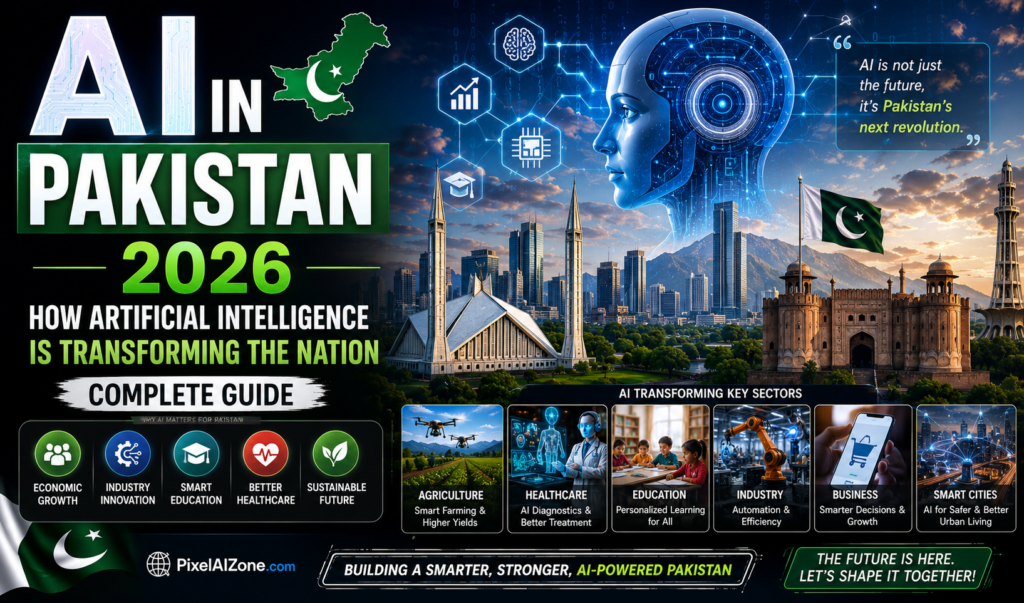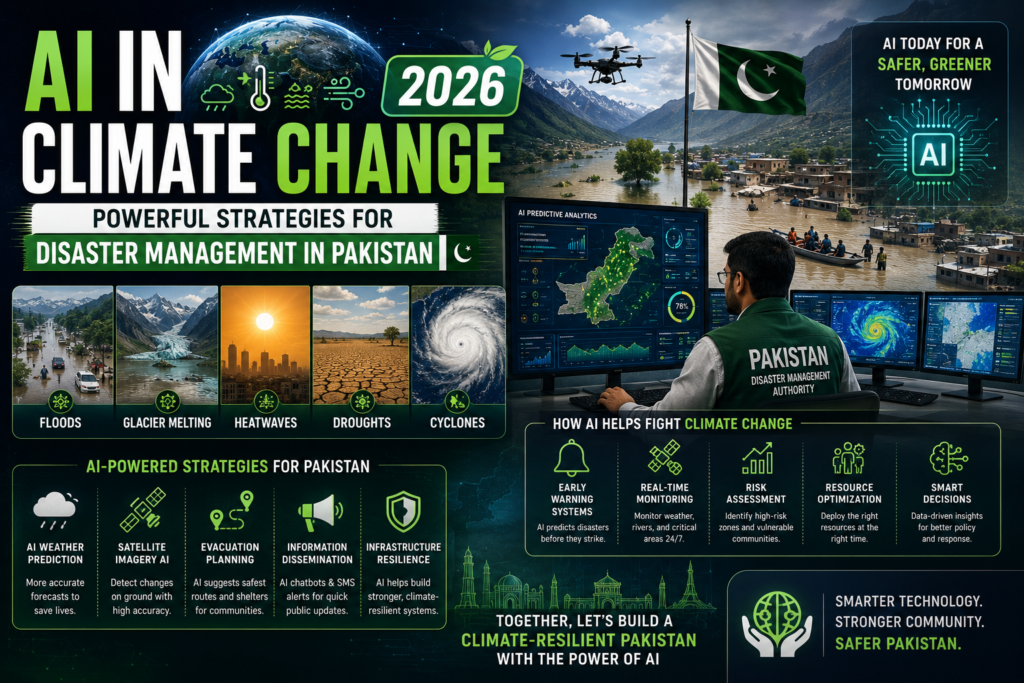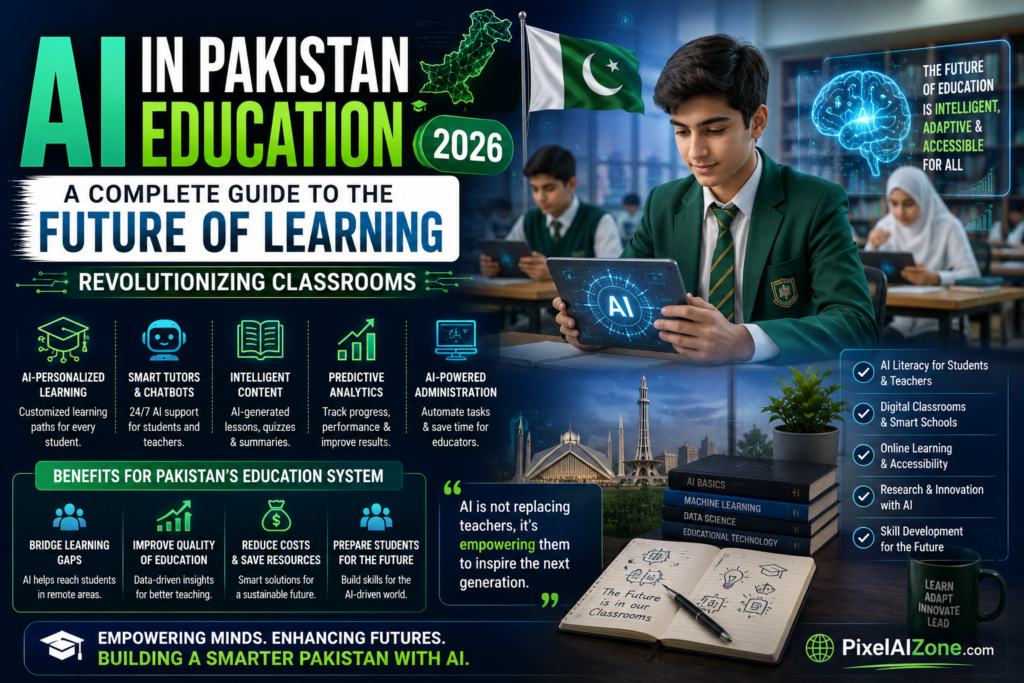
From virtual schools in Khyber Pakhtunkhwa to AI-powered classrooms in Punjab — see how artificial intelligence is reshaping the way students learn across Pakistan.
AI in Pakistan education is transforming how students learn across the country.
Let me show you something.
Pakistan’s education system is undergoing its biggest transformation in decades. Artificial intelligence is no longer a futuristic concept — it’s already here, in classrooms, teacher training programs, and government policies .
Khyber Pakhtunkhwa has approved the country’s first public-sector virtual school system with AI-based teachers . Punjab is planning to establish two AI schools in Lahore at a cost of Rs 81 crore . And education leaders from across the country recently gathered in Islamabad to discuss how AI can reshape teaching and learning .
Table of Contents
- The State of AI in Pakistan’s Education Sector (2026)
- Government Initiatives: Virtual Schools and AI Teachers
- Punjab’s AI School Plan
- International Partnerships: Google and UNICEF
- How AI Is Being Used in Classrooms
- AI for Out-of-School Children
- The Role of Teachers in the AI Era
- Challenges and Concerns
- What This Means for Students and Parents
- FAQ
This guide covers everything you need to know about AI in Pakistan education in 2026.
AI in Pakistan education is no longer a futuristic concept — it’s happening right now.
The State of AI in Pakistan’s Education Sector (2026)
Artificial intelligence is rapidly reshaping education worldwide, and Pakistan is no exception . The OECD Digital Education Outlook 2026 confirms that Generative AI can support learning when guided by clear teaching principles .
According to research published in 2026, AI-based technologies such as Intelligent Tutoring Systems (ITS), Augmented Reality (AR), and Virtual Reality (VR) are transforming the education industry . These technologies enable personalized learning experiences tailored to each student’s needs .
Key developments in Pakistan:
| Initiative | Status | Region |
|---|---|---|
| Virtual schools with AI teachers | Approved | Khyber Pakhtunkhwa |
| AI schools | Planned | Punjab |
| AI EdTech Summit 2026 | Completed | Islamabad |
| Google + UNICEF partnership | Active | Nationwide |
| 46 pilot schools | Operational | Khyber Pakhtunkhwa |
These developments show how AI in Pakistan education is moving from pilot to policy.
Government Initiatives: Virtual Schools and AI Teachers
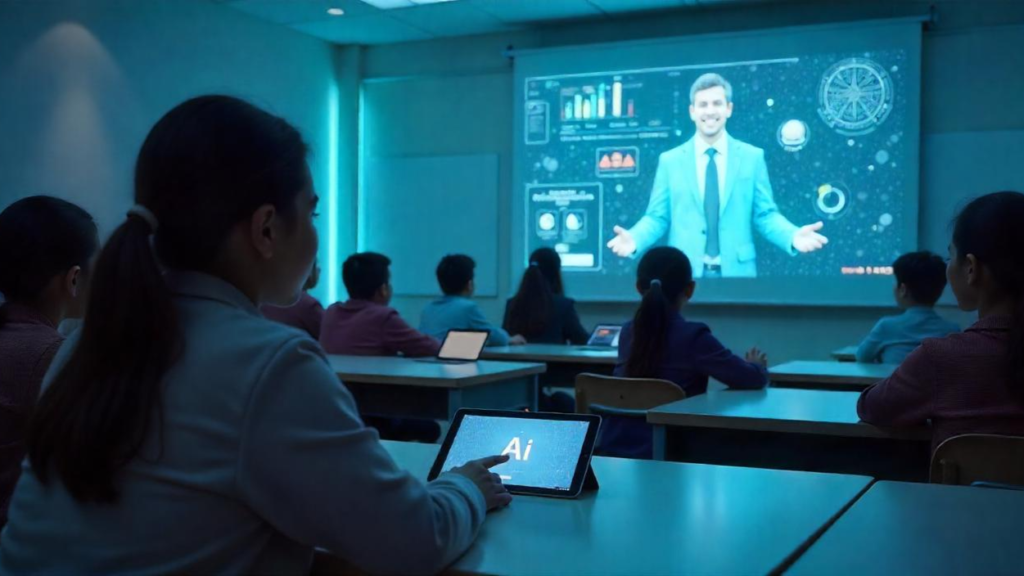
In April 2026, the Khyber Pakhtunkhwa government approved the establishment of Pakistan’s first public-sector virtual school system and the introduction of AI-based teachers .
What this means:
- Students enrolled in virtual schools, including overseas Pakistanis and out-of-school children, will be given the status of regular students
- AI teachers will initially deliver instruction in English, Mathematics, Physics, Chemistry, and Biology
- AI teachers will be available 24/7 in Urdu, English, and Pashto
The pilot program:
According to official sources, 46 government schools have already been shifted to an online education system on a pilot basis, including 33 schools from settled districts and 13 from merged districts . The project includes the establishment of a central digital teaching studio, offering live interactive classes and recorded lectures .
Project cost: Rs. 153.80 million, with Rs. 44.850 million allocated for the Tele-Education Hub .
The initiative has been termed a “game changer,” particularly for students in remote and underserved areas .
AI in Pakistan education is reaching remote areas through virtual schools.
Punjab’s AI School Plan
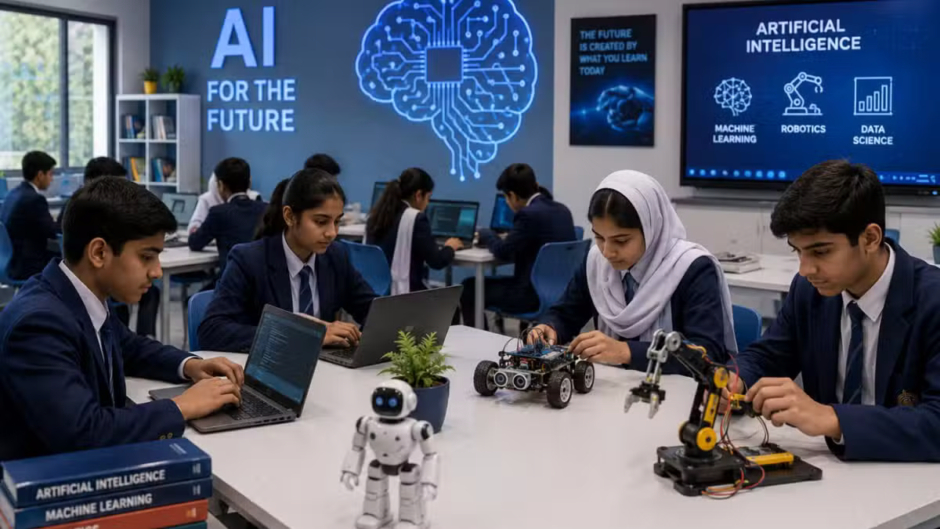
In June 2026, the Punjab government prepared a plan to establish two Artificial Intelligence schools in Lahore at a cost of Rs 81 crore .
What the plan includes:
- Education in artificial intelligence, robotics, and modern information technology
- Smart classrooms and modern computer labs
- Special AI training program for teachers
The objective: According to officials, the main objective of the project is to prepare students for modern technology, digital skills, and future jobs so that they can compete globally .
Punjab is investing heavily in AI in Pakistan education with Rs 81 crore.
International Partnerships: Google and UNICEF
In May 2026, Google announced a new partnership with UNICEF, funded by Google.org, to support education innovation for millions of students across Brazil, India, Pakistan, and Kenya .
What this means for Pakistan:
Pakistan faces some of the highest rates of out-of-school children globally. Those in school are often years behind their grade level in literacy and numeracy .
The solution: UNICEF will provide training and technology that helps educators safely use Google AI tools, like Google ReadAlong, to deliver adaptive learning at scale, both in and out of school .
UNICEF’s broader Digital Education Strategy, launched in January 2026, will scale innovative, AI-enabled teaching and learning programs across 18 countries — including Pakistan . The strategy is supported by UNICEF’s Global Learning Innovation Hub in Helsinki .
Government of Finland’s support: “Our investment in these innovative learning programmes reflects our strong belief in education as a driver of equity and sustainable development,” said Juha Savolainen, Director General, Department for Development Policy, Ministry for Foreign Affairs of Finland .
AI in Pakistan education is getting global support from Google and UNICEF.
How AI Is Being Used in Classrooms
According to the OECD Digital Education Outlook 2026, Generative AI can be used in three main roles:
| Role | Description |
|---|---|
| Tutor | Provides personalized instruction and feedback to individual students |
| Partner | Collaborates with students on problem-solving and creative projects |
| Assistant | Supports teachers with lesson planning, grading, and administrative tasks |
When used with pedagogical intent, AI tools can improve learning and foster skills like critical thinking, creativity, and collaboration .
Research findings:
- Using AI with a clear pedagogical purpose can lead to sustained improvements in learning
- Educational GenAI tools designed with an intentional purpose show better results than general-purpose tools
- When tutors use educational GenAI tools, student learning outcomes improve significantly
However, research also shows that students with access to general-purpose GenAI tools produce higher-quality outputs but may not actually learn more — their advantage disappears in exams when access is removed .
Understanding AI in Pakistan education means seeing how it helps teachers and students.
AI for Out-of-School Children
One of the most promising applications of AI in Pakistan is reaching children who are not in school.
According to UNICEF, an estimated 25 million children in Pakistan are out of school . The Google-UNICEF partnership will support:
- Remedial instruction for out-of-school learners
- Accelerated foundational learning pathways
- Teacher development to improve literacy and numeracy outcomes
The goal: Equip children and young people with foundational learning and essential skills they need for the 21st century .
The Role of Teachers in the AI Era
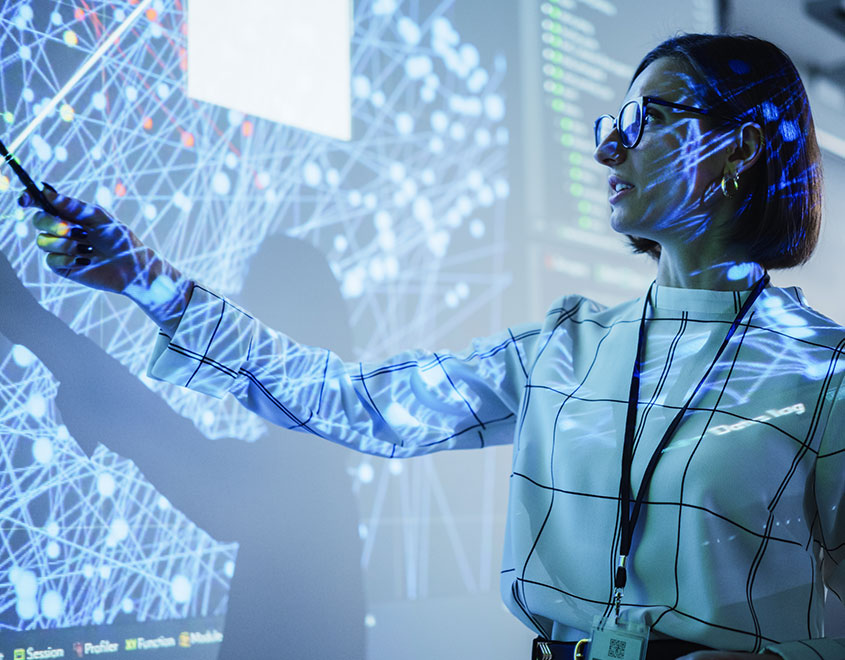
According to experts at the AI EdTech Summit 2026 in Islamabad, teachers must be equipped with the knowledge and skills necessary to effectively utilize emerging technologies in classrooms .
Key insights from the summit:
- Artificial intelligence is rapidly changing the global educational landscape
- Educational institutions must adapt to ensure students acquire the skills required in a technology-driven world
- AI-related competencies must be integrated into teacher education and accreditation systems
The challenge: Educators face challenges in professional development — getting educators to a confidence level with their skill set so they’ll be able to navigate AI along with students is a mindset shift .
The solution: Teachers need time to develop their skills by using AI. A recommended three-step approach includes:
- Develop a district policy, expectations, and list of appropriate tools
- Provide staff professional development around those tools with time to experiment
- Roll out the tools with students
Challenges and Concerns
Despite the potential benefits, AI in education also raises important concerns:
The OECD’s recommendation: “Learning and teaching should primarily aim to develop valued human knowledge and skills such as independent thinking and foundational skills across subjects, without GenAI, with educational GenAI, and then with general-purpose GenAI” .
What This Means for Students and Parents
For students:
- AI tools can provide personalized learning experiences
- Access to education is expanding to remote areas
- Learning can happen 24/7 in multiple languages
For parents:
- Virtual schools offer flexibility for families
- AI teachers can provide support beyond school hours
- The focus is shifting from rote learning to critical thinking
For teachers:
- AI handles routine tasks, allowing teachers to focus on what matters
- Teachers remain essential — AI cannot replace human judgment, creativity, and adaptability
FAQ
Q: What is the AI Education Authority in KP?
A: The KP government has approved the creation of an AI Education Authority to oversee the implementation of AI-based education initiatives .
Q: How many virtual schools are planned in KP?
A: 46 schools are already operating on a pilot basis, with an additional 175 schools set to be converted into virtual institutions .
Q: What subjects will AI teachers teach?
A: AI teachers will initially deliver instruction in English, Mathematics, Physics, Chemistry, and Biology .
Q: What languages will AI teachers support?
A: AI teachers will be available 24/7 in Urdu, English, and Pashto .
Q: How much will the Punjab AI schools cost?
A: The Punjab government has allocated Rs 81 crore for two AI schools in Lahore .
Q: What is Google doing in Pakistan education?
A: Google is partnering with UNICEF to provide AI-powered tools like ReadAlong to support adaptive learning for out-of-school children .
Q: What is AI in Pakistan education?
A: AI in Pakistan education includes virtual schools, AI teachers, and smart classrooms.
Final Thoughts
AI in Pakistan’s education sector is moving from pilot projects to national policy. From KP’s virtual schools to Punjab’s AI schools, from Google’s partnership with UNICEF to the Islamabad AI EdTech Summit — the momentum is undeniable.
The bottom line: AI is not replacing teachers or classrooms. It’s making education more accessible, personalized, and effective for millions of students across Pakistan.
What this means for you:
- If you’re a student: AI tools are coming to your classroom
- If you’re a parent: New learning options are becoming available
- If you’re a teacher: Training and support are on the way
- If you’re considering education: AI is making it more accessible
The future of education in Pakistan is being built right now. And AI is at the center of it.
The future of AI in Pakistan education is bright and being built right now.
Related Posts on Pixelaizone
- Hostinger Review 2026: Why This is the Best Hosting for Small Businesses & Beginners
- The Future of Work in 2026: How AI Is Reshaping Jobs, Skills, and Careers
- 2026 AI Trends for Small Businesses: What’s Actually Working Right Now
- AI Side Hustles 2026: 7 Easy Ways to Earn Extra Income with Artificial Intelligence
- “AI Productivity Hacks 2026: 7 Ways to Work Smarter, Not Harder”
- “How to Build an AI-Powered Business in 2026 (No Coding Required) – The Ultimate Guide”
- “AI Agents vs AI Assistants: The Ultimate Guide to Understanding the Critical Difference in 2026”
- “AI Content Creation 2026: How to Write Blog Posts That Actually Rank (Proven Tips)”
- ChatGPT vs Gemini in 2026 (Powerful AI Comparison Guide)
- Top 10 Powerful Work From Home Jobs for Students in 2026
- How to Start a Blog and Make Money in 2026 (Ultimate Beginner Guide)
- Ultimate Guide: Best AI Tools for Content Creators in 2026
- Ultimate Guide: Best Web Hosting for Beginners in 2026
- Ultimate Guide: Best Freelancing Skills to Learn in 2026 for Beginners
- Free AI Tools For Students In 2026
What do you think about AI in education? Drop a comment below!