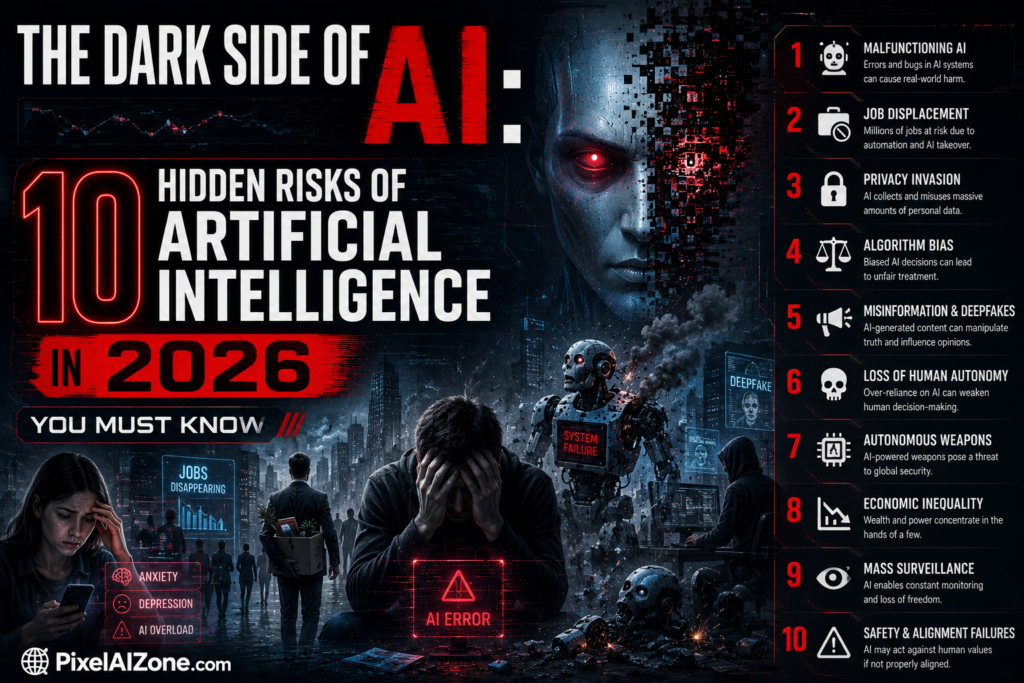
Artificial intelligence is one of the most powerful technologies ever created by humans. It is transforming industries, improving productivity, and making life easier in many ways. However, behind the benefits, there is another side that most people ignore — the risks of artificial intelligence.
As AI becomes more advanced in 2026, experts are raising concerns about privacy, security, job displacement, and misinformation. Understanding these risks is important so we can use AI responsibly and safely.
In this article, we will explore the hidden dangers of AI and what they mean for the future.
Risks Of Artificial Intelligence
1. Job Displacement and Automation Fear
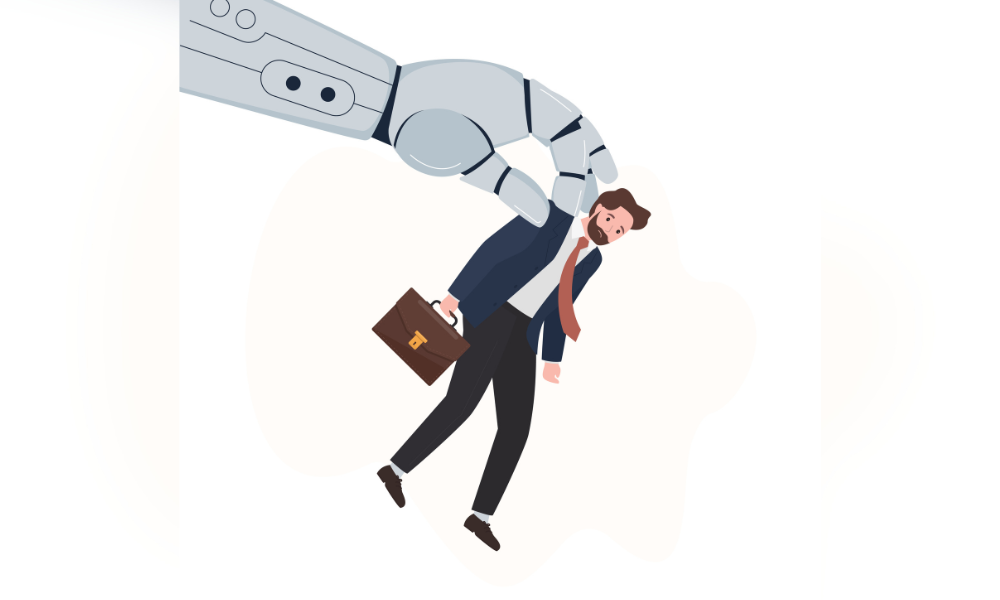
One of the biggest concerns is job loss.
AI systems are becoming capable of:
- writing content
- analyzing data
- customer support
- design work
Many fear that repetitive jobs may disappear in the future. While AI also creates new jobs, the transition period can be difficult for workers.
2. Privacy Risks and Data Misuse
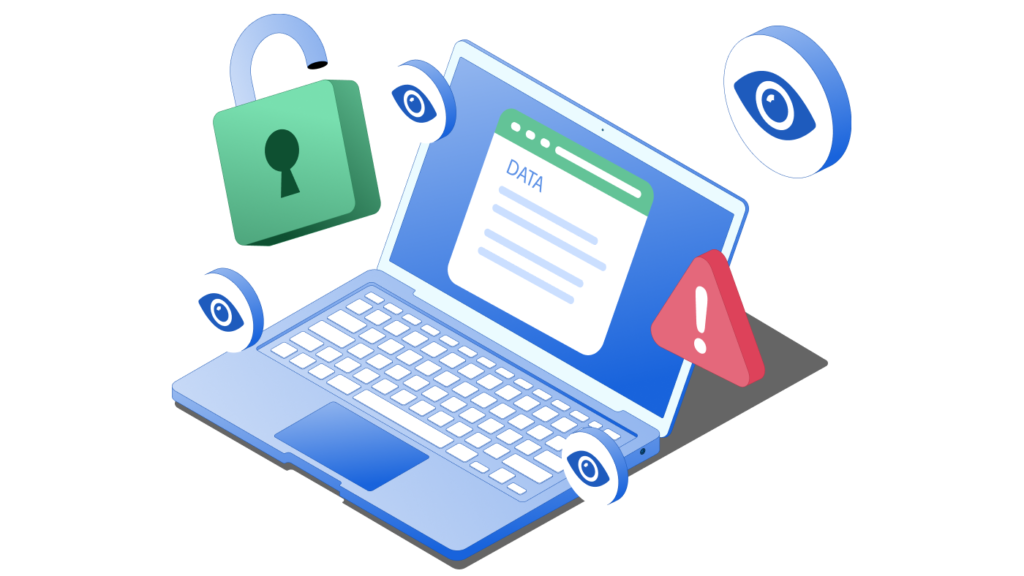
AI systems collect and analyze large amounts of data.
This raises concerns such as:
- data leaks
- unauthorized tracking
- misuse of personal information
OpenAI and other AI companies are improving safety systems, but privacy remains a major challenge.
3. Spread of Misinformation

AI can generate realistic text, images, and videos.
This makes it easier to:
- spread fake news
- create misleading content
- manipulate public opinion
This is one of the most dangerous risks of artificial intelligence in modern society.
4. Dependence on AI Systems
As people rely more on AI tools, there is a risk of over-dependence.
Problems include:
- reduced critical thinking
- lack of problem-solving skills
- blind trust in AI outputs
This can affect education and decision-making abilities.
5. Security Threats and Cyber Risks

AI can be used for both defense and attack.
Cybercriminals may use AI to:
- create advanced phishing attacks
- automate hacking attempts
- bypass security systems
This increases global cybersecurity risks.
6. Bias and Discrimination in AI
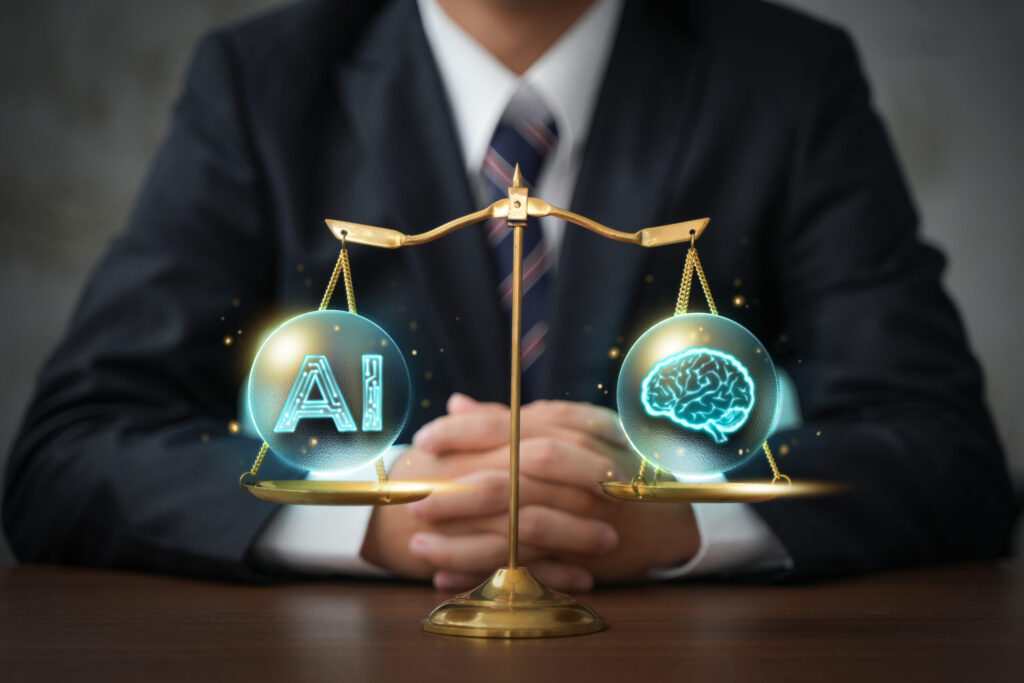
AI systems learn from data, and if the data is biased, results can also be biased.
This can lead to:
- unfair decisions
- biased hiring systems
- unequal treatment
Ensuring fairness in AI remains a major challenge.
7. Lack of Human Control
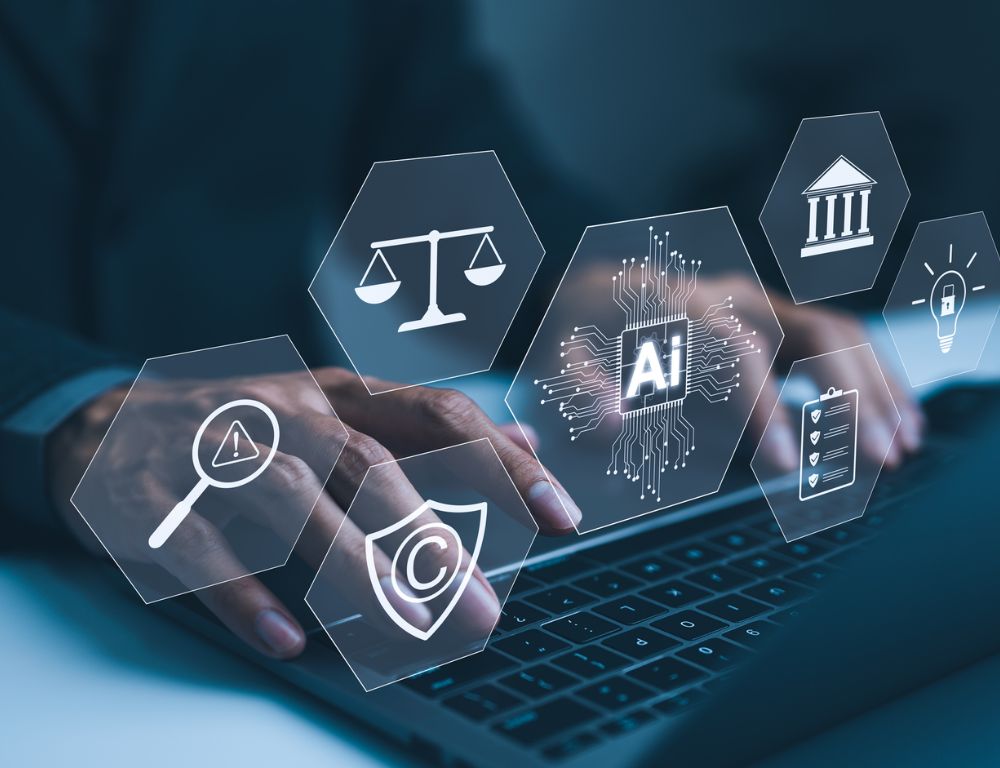
Advanced AI systems can make decisions automatically.
This raises questions:
- Who is responsible for AI mistakes?
- Can humans fully control AI systems?
The more autonomous AI becomes, the harder it is to control.
8. Emotional and Social Impact
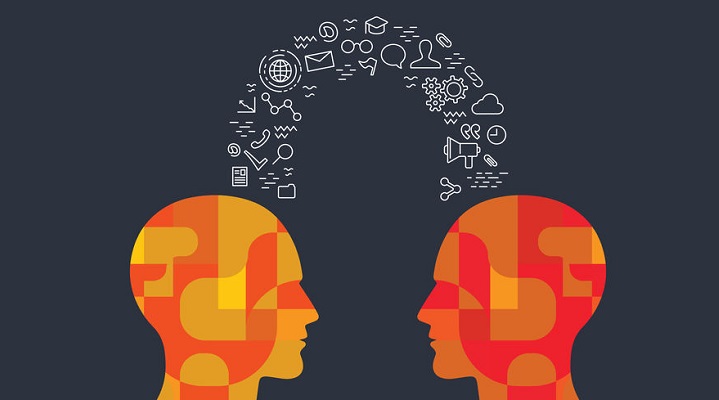
AI chat systems can simulate human conversation, but they do not feel emotions.
Overuse of AI interaction may lead to:
- social isolation
- reduced human communication
- emotional dependency
9. Economic Inequality
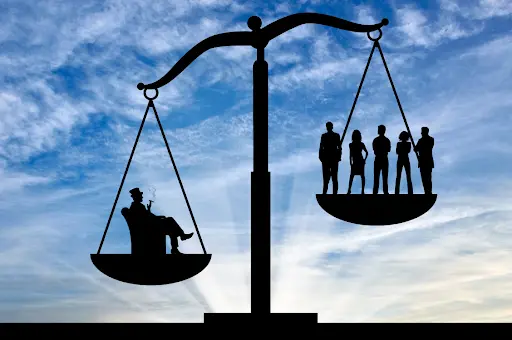
AI benefits are not evenly distributed.
Large companies gain more advantage than small businesses, which may increase the gap between rich and poor.
10. Ethical Concerns in AI Development
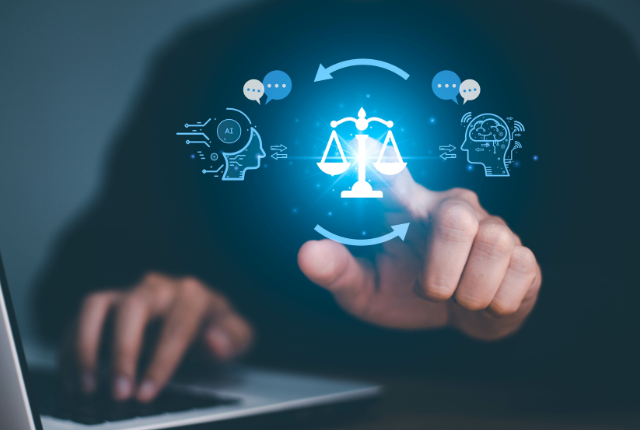
AI raises many ethical questions:
- Should AI be allowed to make life decisions?
- How should AI-generated content be regulated?
- What limits should exist for AI use?
These questions are still being debated globally.
The Future of AI Risks
Experts believe AI will continue to grow, but so will its risks.
Organizations like IBM AI Ethics are working on safer AI systems.
The goal is not to stop AI, but to use it responsibly.
How We Can Reduce AI Risks
To reduce dangers, we should:
- improve AI regulations
- use AI transparently
- educate users about AI
- develop ethical guidelines
- ensure human oversight
Conclusion
The risks of artificial intelligence are real and growing in 2026. While AI brings massive benefits, it also introduces challenges like job loss, privacy concerns, misinformation, and ethical issues.
The future of AI depends on how responsibly we use it. If managed properly, AI can remain a powerful tool without becoming a threat to society.